You could say our process is getting a bit long in the tooth: we make chocolate using the same basic steps that have been used around the world since at least 1847.

What makes our approach different, is that we start with better-than-fair-trade cacao and make two-ingredient chocolate from just cacao and organic cane sugar.

It Starts With Exceptional Cacao

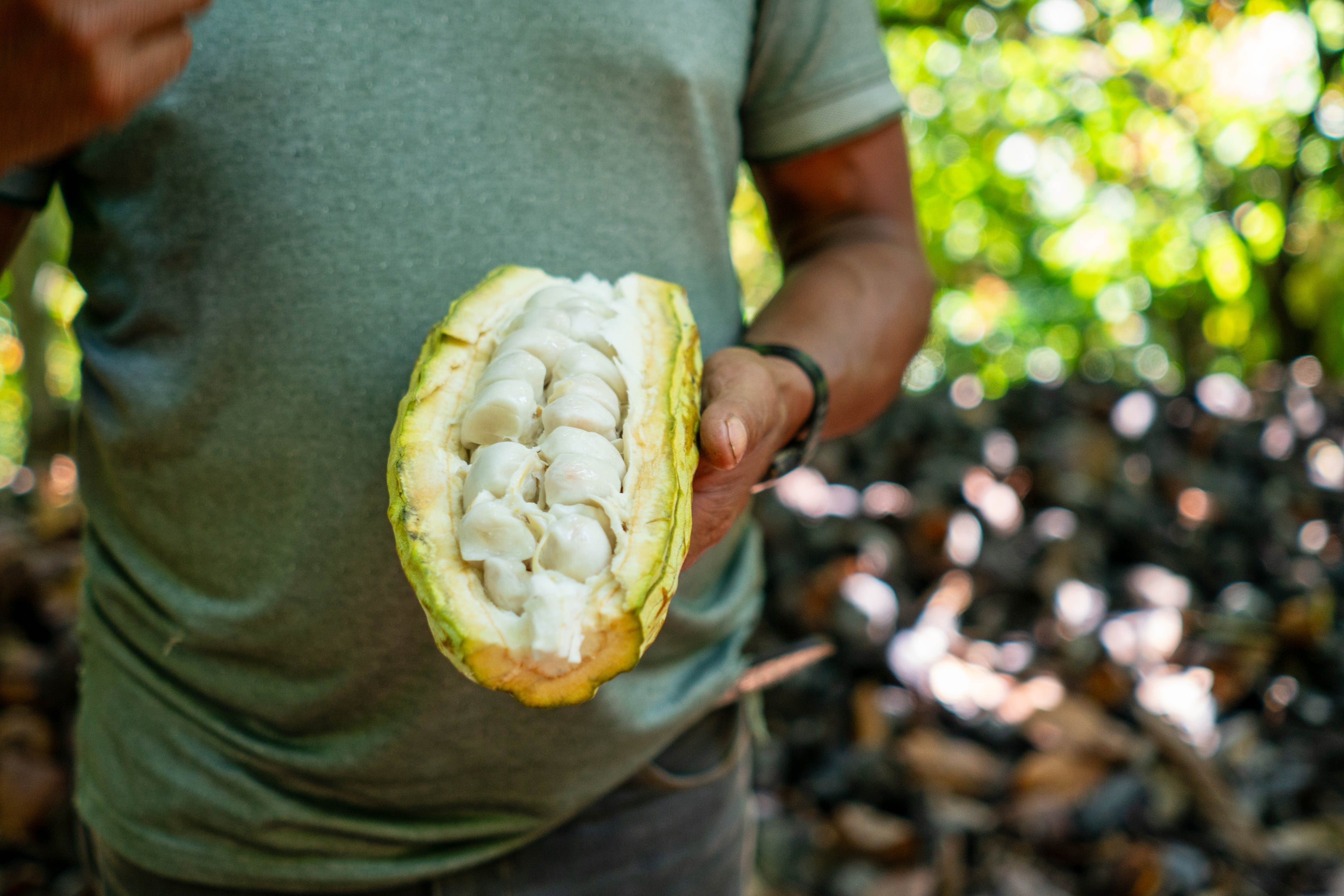
Like wine grapes, cacao expresses both varietal character and terroir. This means the genetics of the tree and the place it’s grown will dramatically shape flavor.

There are at least twelve recognized varieties of cacao, each with their own potential for flavor.

Add in climate and the post-harvest fermentation process, and cacao becomes one of the more origin-driven ingredients in the world.

from bean-to-bar

How we make dark chocolate

Sourcing Cacao

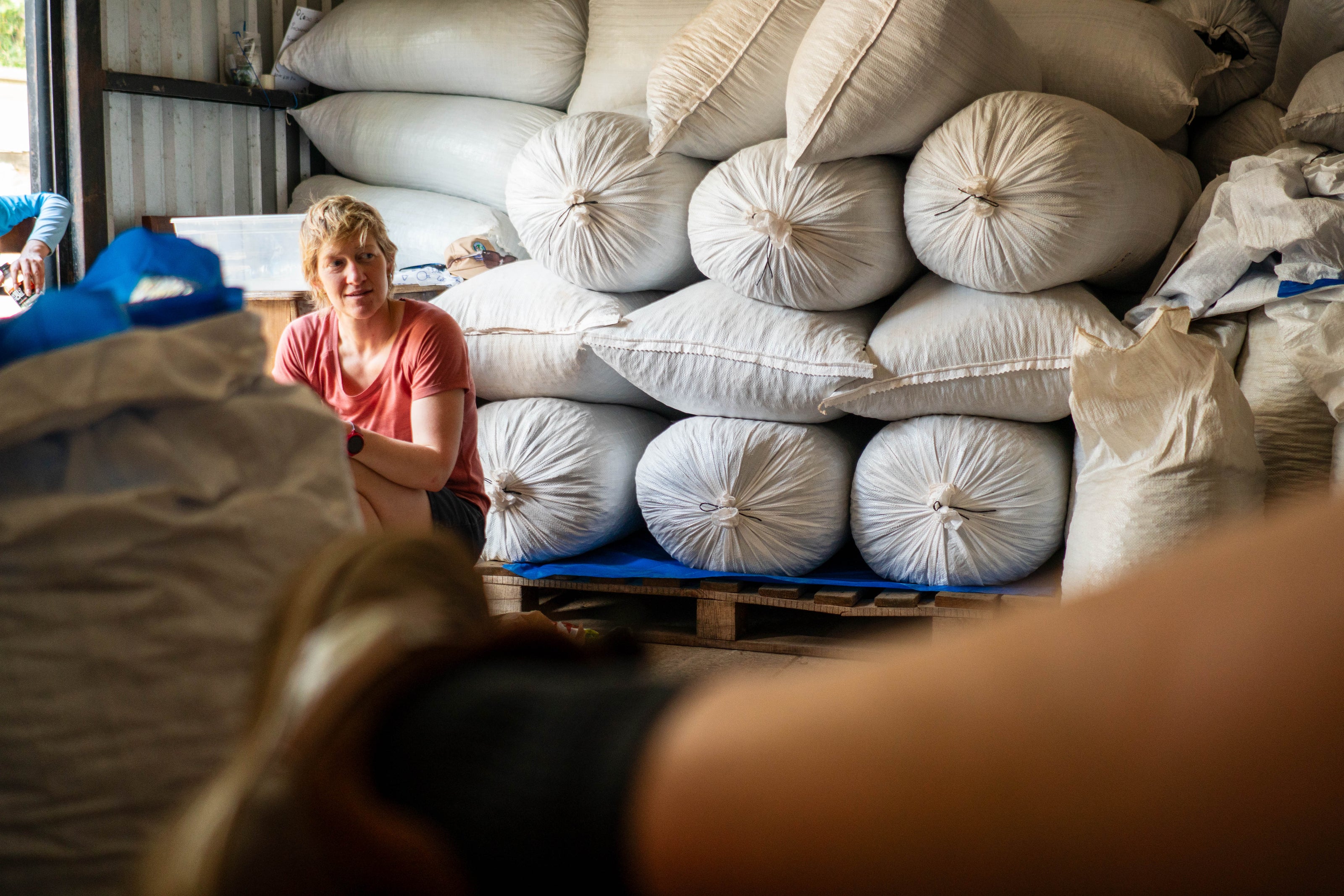
Our process starts by looking for great cacao that we want to work with. To us, “great cacao" means excellent flavor, organically grown, and grown by farmers getting paid above-fair-trade prices. Sourcing cacao is the most important step in our entire process, and defines the quality of what comes next.

Roasting

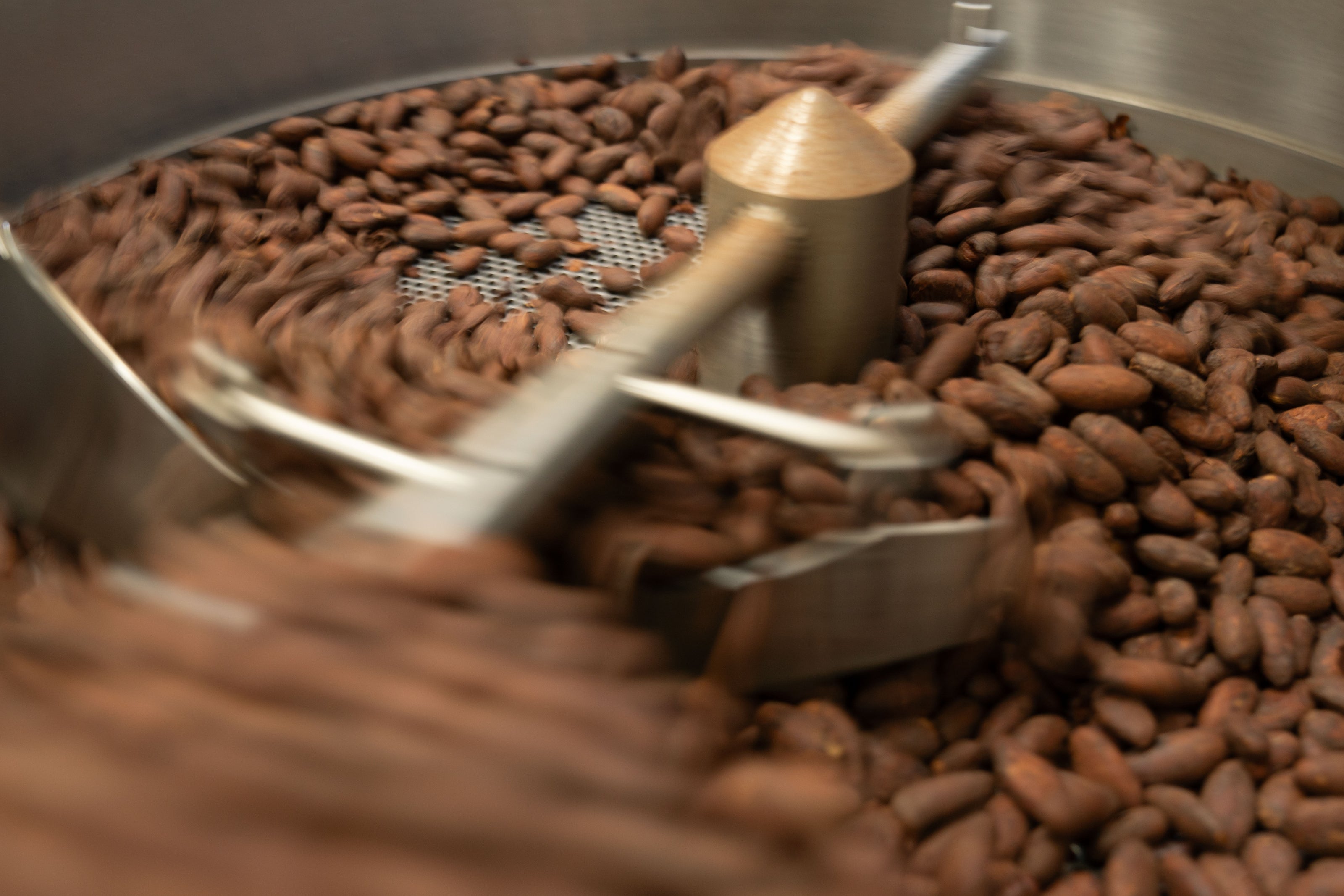
When roasting cacao, we want to highlight the strengths of the origins that we work with and showcase their unique “personalities.”

That means we want fruity origins to be really fruity, nutty origins to be nutrageous, and floral origins to have the flower power turned up to 11. Like coffee - you can do light, medium, or dark roasts on cacao beans. Light roasts tend to preserve more acidic and fruity notes while longer roasts tend to burn off that acidity and leave a more roasted and nutty profile.

Winnowing

Next we crush the beans and winnow them to separate the husk from the center of the bean. Our winnowing machine works a lot like a wheat combine - a column of air is used to separate light things (the husk) from dense things (the "nib" or inside of the bean.

Stone Grinding

Our stone grinders have a granite base and two granite grinding wheels which crush the nibs until it starts to look and smell a lot like chocolate. Many people are curious how nibs turn into a liquid. It's the same concept as with peanuts turning into peanut butter: the nibs are about 50% cocoa butter by weight, so when crushed that butter releases and something that was dry is now a slurry mix of cocoa butter and cocoa solids.

The nibs will work in the stone grinder for two to four days straight, depending on the flavor profile that we are looking for. Grinding for this long helps less desirable flavors escape into the air and oxidize, and it also gets the particles of cocoa bean down to a small enough size that the chocolate is smooth.

We add organic cane sugar at the this stage based on the percent dark we are making: our standard house 72% dark chocolate is, by weight, 72% organic cacao nibs and 28% organic cane sugar.

Tempering and Pouring

We temper our chocolate and then pour the tempered chocolate onto baking sheets or into molds and let them cool to set. This is also the time when we add any inclusions that will be going into the bar like candied oranges, coffee, or ginger.

Enjoying With Friends

The final step is enjoying with friends and family! Everything that we sell is something that we love and would be proud to share around the table with friends and strangers alike.

When roasting cacao, we want to highlight the strengths of the origins that we work with and showcase their unique “personalities.”

That means we want fruity origins to be really fruity, nutty origins to be nutrageous, and floral origins to have the flower power turned up to 11. It also means that sometimes we blend different cacaos together to find the right balance between their most interesting notes.

When it comes to flavor development, we put our energy into being thoughtful about the beans that we buy, how we roast them, and how long they stay in our stone grinders - which is anywhere from two to four days straight.